

Staffordshire’s Police and Crime Commissioner has hit back at claims naming people charged with drink-driving is “immoral”.
Leading lawyer Nick Freeman – nicknamed ‘Mr Loophole’ – said that police forces who adopted the tactic were playing “judge and jury”.
“I cannot imagine that the releasing of these names is a deterrent for anybody, so the decision to do so astounds me,” he explained. “It is simply not in the public interest.
“The presumption of being innocent until proven guilty is one of the fundamental tenets of the legal system. It is imperative that this presumption remains intact.
“The police are acting beyond their remit. Their function is to prevent and detect crime by the gathering and collating of evidence in an impartial manner, which is then presented to the Crown Prosecution Service who ultimately decide if there is sufficient evidence to prosecute.”
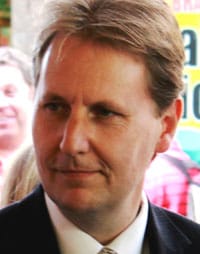
But Staffordshire Police and Crime Commissioner Matthew Ellis has hit back at the claims.
“Mr Freeman said it’s immoral that the police are naming drink-drivers after they’ve been charged but I think it’s immoral to miss any opportunity to potentially save just one life,” he said.
“Mr Freeman has obviously earned his nickname, Mr Loophole, for a reason. But legal loopholes are no solace for families who have lost dear ones through injuries caused by drink-drivers.
“Staffordshire Police are about saving lives and keeping our roads safe.”
Commissioner Ellis also revealed that he had opposed calls to name people at the time they are arrested.
“Anyone who has been charged with any offence to appear in court is named on a publicly available court listing,” he said. “The ‘bar’ for charging someone is significantly higher than simply to arrest. That’s why I think it would be wrong to name on arrest. It’s too early in the process.
“The proactive approach Staffordshire Police are taking is to raise the issue of drink-driving and the tragedy it can cause by naming people after formal charge.
“If just one person is saved because more people are thinking hard before drinking and getting behind the wheel of a car, that’s got to be a benefit – but only at the charge stage.
“Policing isn’t only about enforcement, it’s also about stopping things from happening before they do, and this campaign is aimed at doing exactly that.”


