
Consultants are being brought in to find a way forward for land in Lichfield left empty after the failure of Friarsgate.
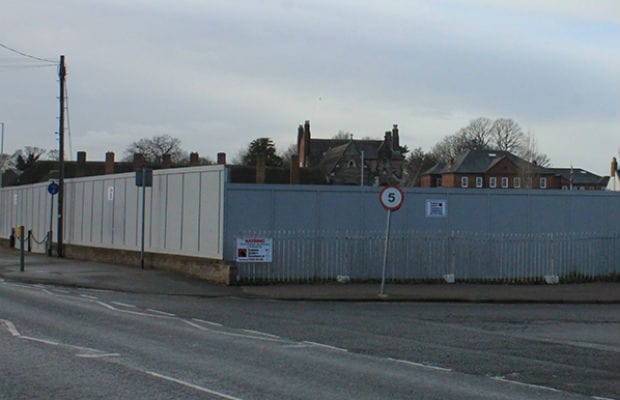
The long-awaited city centre redevelopment scheme bit the dust last year, leaving taxpayers to foot a bill which some estimates say has now risen to more than £12million.
A working group has been set up to seek a future for the land – now rebranded as the Birmingham Road Site – while a public consultation event took place last night (7th March).
However, some guidelines for the land, which includes the former Tempest Ford building, the old police station and the bus station area, have already been drawn up and will go in front of Lichfield District Council’s Cabinet for approval on 12th March.
A budget of £60,000 has been set aside to pay consultants to formalise plans for the land, with a draft brief from the local authority describing the move as a “once in a generation opportunity” to reconsider the future of the site that had been earmarked for Friarsgate for more than a decade.
The report to the Cabinet group says: “The objective is to consider and develop options for the redevelopment of a major site in Lichfield city centre.
“This commission is a once in a generation opportunity to rethink the future direction of development in the cathedral city at a time when the future of city centres is topical, both locally and nationally.”
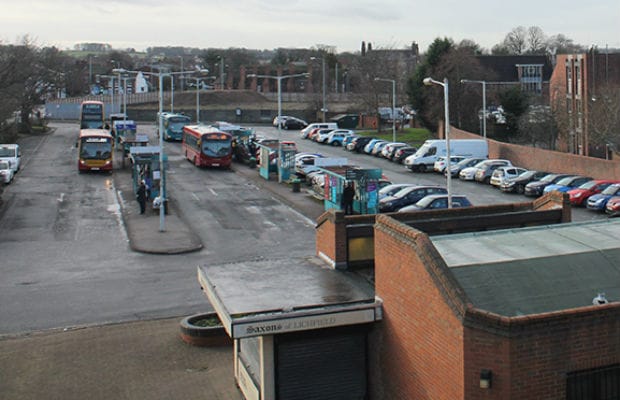
The collapse of the Friarsgate proposals has left Lichfield District Council facing a £300,000 bill for repairs to a city centre multi-storey car park as well as sitting with large plots of land lying empty.
But the draft brief suggests the local authority is actually in an “enviable position” despite the costly demise of the original scheme.
It continues: “Over the last ten years, various proposals for a significant retail-led mixed-use redevelopment scheme on the Birmingham Road site have been developed but not implemented due to a variety of factors.
“In June 2018, against a backdrop of unfavourable market conditions and rapidly changing patterns in the retail sector, Lichfield District Council took the decision not to progress an agreed, but unfunded, scheme and reconsider the future of the site.
“The council is in the enviable position of having a relatively blank canvas in the heart of the city at a time when the future of the high street is being completely reimagined for the 21st Century.”
The document outlines future plans for other sites across the city, including the restoration of St Mary’s Church along with potential developments on Lombard Street and Eastern Avenue.
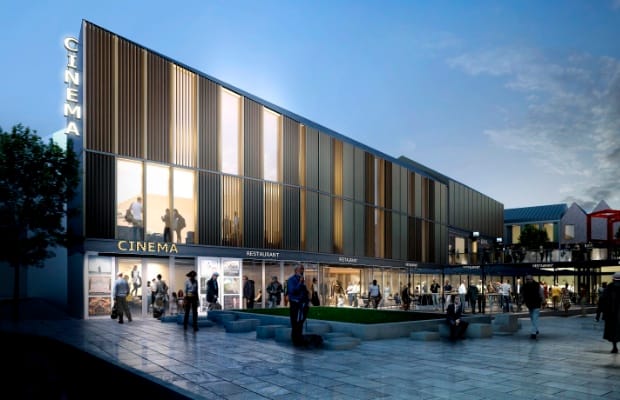
The council said that while it does not wish to “pre-empt or re-judge the masterplanning exercise”, lessons from the failure of Friarsgate debacle should not lost.
“A significant amount of effort has gone into establishing city-wide groups to formulate ideas, including the setting up of a dedicated cross-party member task group,” the report explains.
“Further consultation has taken place with city wide key stakeholders and the general public. This exercise, and the previous responses to the Friarsgate scheme, have helped identify some key aspects and issues to be considered when moving forward.”
A number of areas for exploration are considered in the draft commissioning brief for any future development, including:
Attractions and the arts:
The council says it wants any new Friarsgate-style development to “enhance and support existing culture” rather than conflicting with current sites. It has also raised concerns over a lack of hotel accommodation to support the growth of tourism in the city.
Employment:
The brief calls for the development to consider boosting city centre employment by considering whether the provision of “high-quality modern office space” would be appropriate.
Food and drink:
The council says it recognises that the city is well-catered in terms of cafes and coffee shops, but says that while developing other offerings near other areas of the city is welcomed, Bird Street’s reputation as “the centre of the food offer in the city” should be protected. The lack of live music and performance spaces and nightclubs is also highlighted.
Heritage:
The draft document insists that any development must “respect and reflect the historic nature of the city”, in particular the listed St John’s Hospital site adjacent to the development area.
Housing:
The brief admits: “The council recognises that a number of residential development schemes in the city in recent years have been targeted at the elderly or more affluent individuals, and is keen to redress this balance whilst being mindful of the commercial viability of any scheme.
“Depending on the overall development mix, residential development could be a key part of the scheme.”
Leisure:
The council’s draft brief highlights a lack of activities available for young adults and families, and calls for the consideration of leisure opportunities, including the cinema which had been a key part of the Friarsgate proposals. It continues: “With retail gradually reducing in its significance as the core land use in city centres, the council anticipate that such leisure uses will be increasingly important for sustainable city centre centres.”
Open spaces:
The brief recognises that open spaces and ‘public realm’ areas are an important element in terms of the ‘welcome’ visitors receive when they arrive in the city.
Retail:
The closure of Marks and Spencer and a broader lack of big name retailers in the city centre, have left the brief asking how the city should market itself as a shopping destination and whether the focus should shift to a niche independent retail experience. It adds: “The commission should consider current market trends in terms of retail development and endeavour to retain some flexibility in terms of the nature, scale and scope of future retail provision.”
Transport and connectivity:
The brief says car parking will be a “key consideration” along with the impact of the development on local roads. Improvements to the connection of the site with Lichfield City station will also need to be explored.

The decision to bring in consultants who will report in to the cross-party working group comes nine months after Cllr Mike Wilcox, leader of Lichfield District Council, said a plan B would emerge following consultation with residents and businesses.
In January this year, the Conservative leader outlined short term plans for the site, including the introduction of temporary toilets to replace the existing bus station ones, as well as landscaping and a reconfiguration of the car park.
However, groups such as the Lichfield Civic Society have criticised the council for taking so long to engage them in the process, while the working group was criticised after it emerged just two members turned up for a key meeting before Christmas.
The £60,000 earmarked for consultants is the latest addition to the Friarsgate bill alongside the purchase of land, including the police station, since the collapse of the project.
It was confirmed in October 2018 that £90,000 would be spent on officers to oversee the future of the Birmingham Road Site, while £56,000 was also forked out on planning a new coach park which never materialised.
The decision to move Tempest Ford while the redevelopment scheme floundered as 12 companies turned down the chance to fund it also sparked criticism with the owner of the business – which subsequently closed for good – claiming the council had made “misleading and inaccurate” statements on the need for the company to move from the site.
The political cost of Friarsgate has also been high, with half of the Cabinet resigning in the midst of the scheme’s demise.


