


As the Lichfield Garrick announces its bid to seek charitable status, Phil Preece talks its Director, Adrian Jackson…
Adrian Jackson is looking pleased. “This is what we’ve been working towards for the last three years,” he says as soon as we meet. He’s talking about the recently publicised bid to achieve charitable status for Lichfield’s Garrick Theatre.
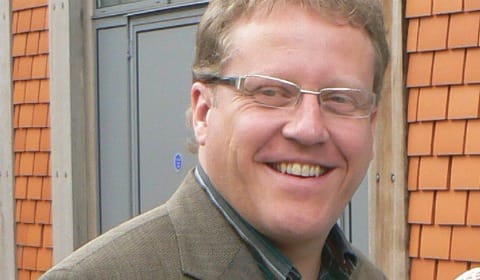
Adrian Jackson has been the theatre’s artistic director for the last six years and in that time has earned a considerable reputation for the Garrick both in the region and in the wider theatrical world. With its year-round programme of varied entertainment ranging from music of all kinds through drama, ballet and opera, not forgetting its sell-out Christmas shows, regular visits to the Garrick are now firm fixtures in many Midlands theatre-goers’ diaries. When we factor in the achievements of the Garrick Rep company which has seen several productions transfer to London, it’s true to say that under Adrian’s leadership the Garrick has achieved a successful profile. But the recent announcement of a bid for charitable status had me wondering. What would it mean for audiences and performers alike? So I went along to ask the man myself.
I first asked Adrian to tell me what becoming a Trust involved. “It has two elements,” he said. “The first step is to create the Garrick Theatre as a limited company, and then to give that company charitable status. The governance of a charity is like any other private limited company, and its board of directors, here known as Trustees, are there principally to ensure the articles of association are carried out and in the case of a charitable trust that the charity rules are adhered to.”
So who and what are the governors, I wondered, and what is their role? “I thought very carefully about the makeup of the board,” he said. “In this case they are all busy people with local interests. Some I knew well and approached personally, others were recommended. They include entrepreneurs with strong educational and industrial links.”
But what’s in it for them? Adrian’s response was warmly positive. “It’s the opportunity to be a part of something that’s important to Lichfield and its community,” he said. “In return for their time (they don’t get paid) they will have a part in taking the theatre into the future; they are all able to bring a lot of commercial expertise to the role, while some have specialised entertainment industry links. Their role is not to run the theatre, that’s the responsibility of the Chief Executive/Artistic Director, but to ensure that the objectives of the Trust are met.”
So why set up the Trust?
“It gives us the opportunity to seek funding to benefit the local community from other sources, not just the local taxpayer. For example, there is no way at present that we could bid for Arts Council Funding or Lottery money because that would mean one public body was giving money to another, and that just doesn’t happen. But as a Charitable Trust it is possible to attract money which wouldn’t normally come to Lichfield, say for alterations and improvements to the building.”
So where would this money come from, I quizzed. “Capital could then come from private sources, such as sponsorship and for corporate hospitality. This would open up a completely different area of funding where the Garrick Theatre would be seen as a high-profile business organisation, and that has a huge appeal for this type of sponsor. The result of course will be a huge knock-on effect for the City.”
But will it still be our own dear local theatre, I wondered aloud. “Well the council aren’t just giving it away, far from it in fact. Two of its board members will be elected Lichfield District Councillors, ensuring that the residents of Lichfield are suitably represented and that the activities of the theatre contribute even more to Lichfield’s economy.”
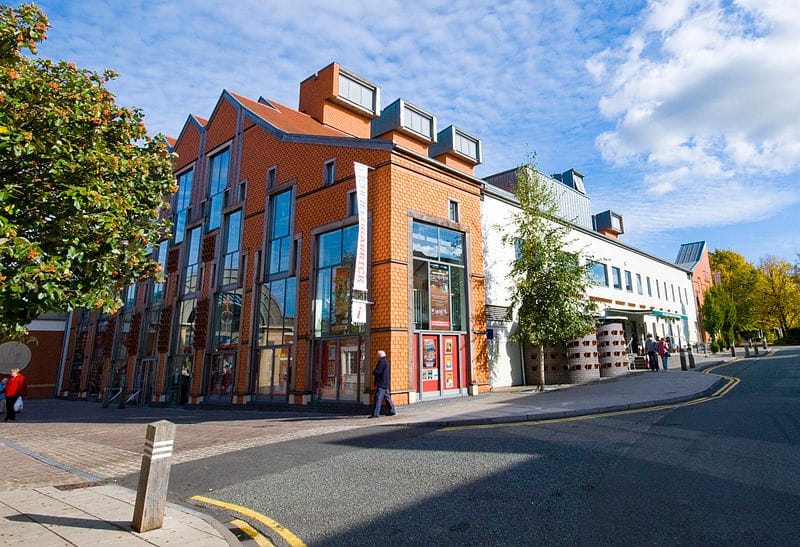
This all sounded very businesslike to me, but what about art? It is a theatre, after all. He’s ready for this one, too. “The Articles of Association give the objects of the Garrick when it becomes a Trust as ‘the advancement of the arts for the benefit of the public through the operation of a theatre in Lichfield and the advancement of education in relation to the arts for the benefit of the public’, and it’s the responsibility of the Trustees and the Chief Executive to see these aims are achieved.”
Sounds pretty straight forward, but isn’t this all a bit high-powered for us in Lichfield? What about the many prestigious amateur and youth groups who use the theatre? Will they still have a home? Adrian hastened to reassure me. “Of course,” he says. “Artistically the theatre will continue exactly as it is, but there will be bigger shows on offer, while the facilities will improve all round with private investment. The general offerings will be superior, more commercially minded – this is my entrepreneurial bit – to do what is right for the people who use the theatre.”
But it was when Adrian got onto the education side of his plans for the Garrick that he surprised me by becoming most enthusiastic. “I’m committed to young people with regard to advancing their knowledge of the arts.” With this in mind he’s developed links with formal education in the district. “We now offer a joint course with South Staffs College, a Level 3 BTEC Diploma in Performing Arts, in other words to GCSE and A Level standard which is now in its second year and currently has 20 students. In the future we want to offer an HND course which will cover not just the performing arts but sound, lighting and design. Here at the Garrick we can provide students with job opportunities, and we’re creating jobs at the college too. Already we have a lecturer at the college here in Lichfield running the current course, and we’re looking to expand on this.”
Fighting talk from the Garrick’s Director, and I felt, very inspiring. I left feeling that the theatre, far from resting on its laurels, will be forging ahead in the future to keep bringing quality entertainment, community opportunities and new revenue to the district. Long may it run.


