
Labour councillors have criticised their Conservative rivals after they failed to back a motion calling for more support for women affected changes to the state pension age.
A debate at Staffordshire County Council heard some had only been given a year’s notice of a six year increase on the time they can begin to take their pension.
Labour councillors had tabled a motion calling on the Government to reconsider the inadequate transitional pension arrangements for women born on or after April 6, 1951, warning some faced “severe hardship” as a result.
But the motion was not backed by the controlling Conservative group.
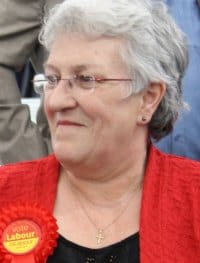
Burntwood councillor Sue Woodward, Leader of the opposition and Labour group, said: “We were simply asking the council to support women across the county who find themselves hugely disadvantaged by the pension changes, without having been told about the changes early enough.
“Many councils have given their support to the Women Against State Pension Inequality (WASPI) campaign, including Conservative councils, so I was shocked and disappointed that the controlling group voted this down.
“Frankly, they showed contempt for the issue and the women affected, as well as their family and friends. They had clearly failed to do their homework on the subject, showed minimal understanding of it and its impacts.”
Last week saw 198 public petitions presented to the House of Commons by MPs.
Cllr Woodward added: “There is a now groundswell of cross-party support across the country for the campaign but, sadly, the Tories at the county council put themselves on the wrong side of a subject which is close to the heart of many Staffordshire residents.”
But Cllr Philip Atkins, leader of the controlling Conservative group at Staffordshire County Council, said the issues were discussed and added that the challenge of reversing any changes to the state pension age would be difficult and costly.

“There was a fair debate about the pension situation of women born in the 1950s who feel that they have had a rough deal on the state pension age,” he said. “We have to accept people are living longer and some people have been retired for almost as long as they were in work.
“On the face of it the WASPI campaign is very reasonable. All of us – perhaps especially those my age, with a wife and many female friends born in the 1950s – know that the state pension age for women has been moving up for a while since the 1995 Act that addressed gender equality.
“However, to change the law would mean unpicking the 1995 Act and be open to legal challenge by men who could argue gender discrimination of retiring later, but most importantly since the WASPI campaign is all about the ‘financial position’ for the women born in the 1950s – is the cost.
“Parliament’s Select committees have established the immediate cost in 2016-2017 would be £29 billion for the period 2010 on when the pension age started changing and a total cost of £77 billion up to 2020.
“State pensions are paid out of normal expenditure and this generation of pensions will be paid for by our children and grandchildren’s taxes. None of us wants to load an extra £77 billion on to the next generation, nor do we want to see welfare or the NHS cut today to pay for this.
“Unfortunately the WASPI campaigners ‘ask’ is simply not possible.”


