
A healthy Good Friday audience turned out for a performance by the Lucy Ward Band, when the renowned singer returned to play for Lichfield Arts.
A successful solo concert as part of last year’s L2F festival meant that a repeat performance was inevitable, and this gig delivered the promise of her solo act.
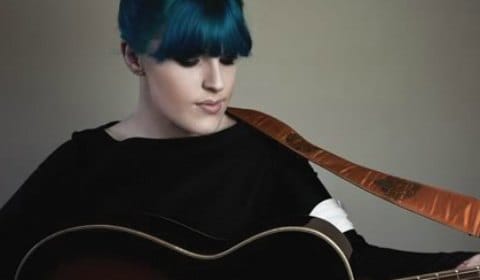
With Belinda O’Hooley, and Heidi Tidow on piano, guitar, harmonium and harmony vocals, Stephen Maclachlan on drums, Joy Gravestock on fiddle and Sam Pegg on bass, the soundscape were unique and a sensitive foil to Ward’s strong vocal.
Playing numbers ranging from traditional songs to more up-to-date hits from bands such as Blondie and Dexy’s Midnight Runners, the set list offered something for everyone.
Starting with a strident folk rock performance in I Cannot Say, I Cannot Speak the set moved through a range of moods. Icarus was a delicate love song, while the traditional song The Blacksmith became a lascivious blues stomp.
The highlight of the first set though was The Consequence – a stunning four-part acapella song that highlighted the issue of honour killing.
Although Lucy Ward is a folk singer, her music and songs are more forward looking than many performers and her own songs aim to find injustices in society and highlight them.
The second set started with The Last Pirouette, a slow waltz, before another original in the shape of Alice in the Bacon Box looked at the history of the singer’s own Derbyshire life. The mood was changed for an upbeat reading of Blondie’s Hanging on the Telephone, while, this was counterpointed by the bleakly realised The Storm.
Velvet Sky was a beautifully melodic love song and the set closer was the gripping protest song For the Dead Men, which was preceded by a rallying cry to the audience of what was wrong in modern society.
The encores were a surprise, though. A solo reading of Regina Specktor’s Lady was a showcase for the range and drama of Lucy Ward’s voice, but the real shock was a vastly re-arranged version of Dexy’s Midnight Runner’s Come on Eileen which was transformed into a slow jazz torch song, with a pitch perfect arrangement, dynamic control, and harmony singing.
There were no solos for the performers as such, but musical passages that add to the delicacy of the songs, or different sounds that added to the mood of the pieces they played. The Storm was a brooding, bluesy treatment which featured the barest of percussive beats, but which sat on a bed of tuned percussion, while Icarus was a love song that featured suitably sensitive piano and harmonium.
This was a fine concert, packed full of pathos, strong song-craft and melodic invention from a singer and a band that are playing at the top of their game.


