

Amazingly in this wet year we had a warm night for the welcome return of regular favourites the Halle who played in the very first Festival 31 years ago.
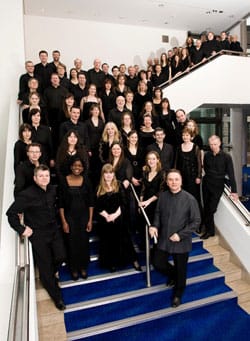
Their first item was pure delight, Delius’ cinematic Idylle de Printemps filled with great sweeps of light and space rising from simplicity to lush panoramas of sound. Its opening evoked panpipes, but there were birds there too, sunlight and water, above all joy in every changing moment, and frustratingly brief.
Next the orchestra was joined by mezzo-soprano Alice Coote for Elgar’s Sea Pictures. Ms Coote’s voice is satisfyingly rich yet delicate, easily able to create the wide range of tones and shading needed to do full justice to this ambitious work made up of three symphonic songs linked by two shorter pieces evoking the changing moods of the sea. The sombre Sea Slumber-Song was followed by the elegiac In Haven (Capri) evoking gentle southern waters. Sabbath Morning At Sea contained some familiarly grand and triumphal Elgar moments while the intermezzo Where Corals Lie evoked a strange underwater world of filtered light filled with half-seen flitting shapes. Its final song The Swimmer showed us some metaphorically rough and dangerous seas that now and again threatened to overwhelm but also at times betrayed an anthemic tone which may explain Queen Victoria’s devotion to it.
Making up the second half of the programme was Elgar’s Symphony No. 2. Although its first performance was not a success conductor Sir Mark Elder explained that it was in his opinion the greatest symphony ever written by an English composer. Certainly the Halle gave this work’s very varied moods, reflecting “the progress of a soul” full value. The sprightly first movement was by turns frenetic but with moments of a strange lassitude, with a conventional rousing finale. The rest of the symphony according to the conductor reveals much more of the private nature of the composer than his other works, including the demonic energy of the third movement and the finale filled with grand climaxes before its peaceful, sad conclusion.
Given the audience’s rapturous reception it seems likely that this won’t be the Halle’s last Festival visit.


