

An historic Lichfield tree is to be given a new lease of life on the other side of the Atlantic.
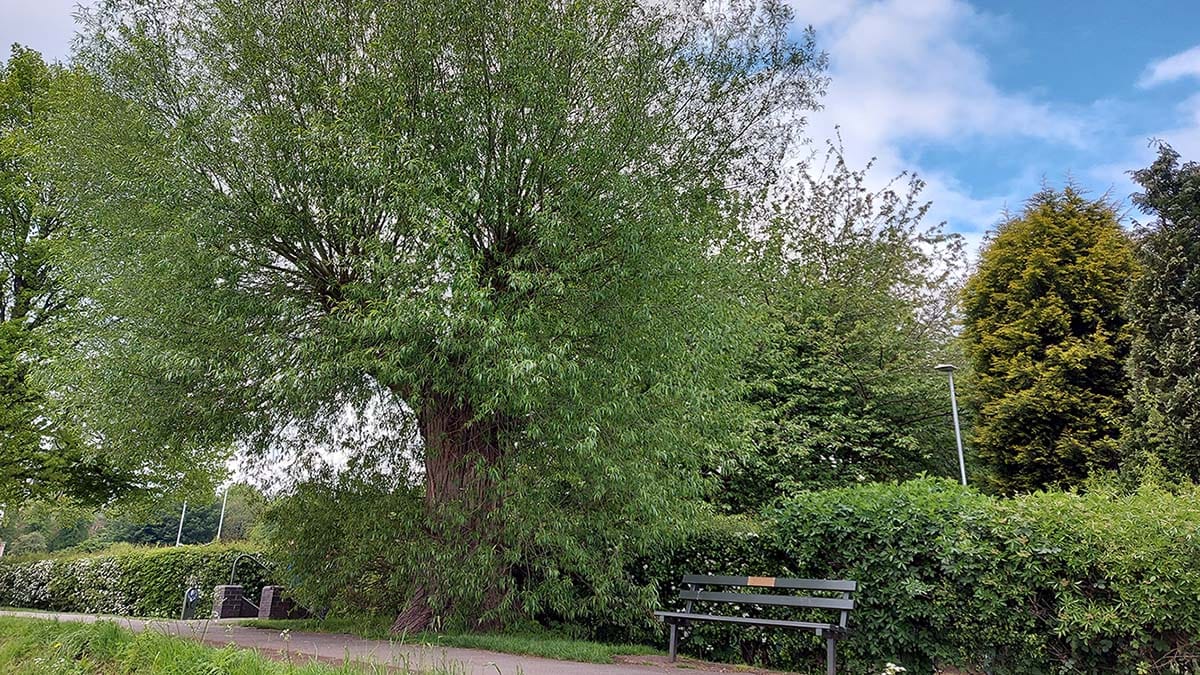
Originally planted in 1700 near a parchment-making factory operated by Samuel Johnson’s father, Johnson’s Willow was replanted from a cutting in 1830 after the first tree blew down in a storm the year before.
The process has been repeated a number of times over the years, with the fourth iteration of the tree having to be felled last year.
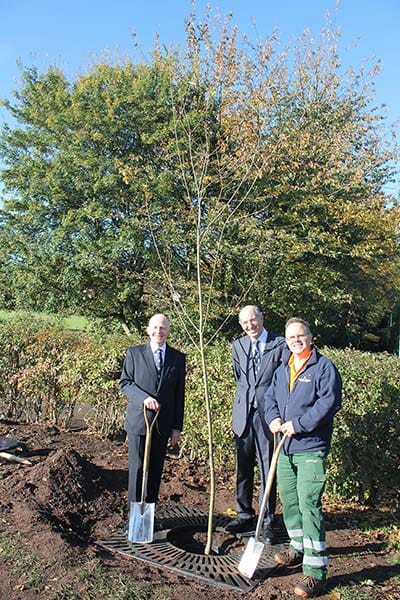
However, cuttings were taken in 2018, allowing a new version of the willow to be planted alongside Stowe Pool.
Now a link-up between the Johnson Society, Lichfield District Council and Vasar College in New York State will see cuttings heading to the United States in the hope versions of the tree can grow on the other side of the Atlantic.
Gardener Paul Niven, who took the cuttings, said:
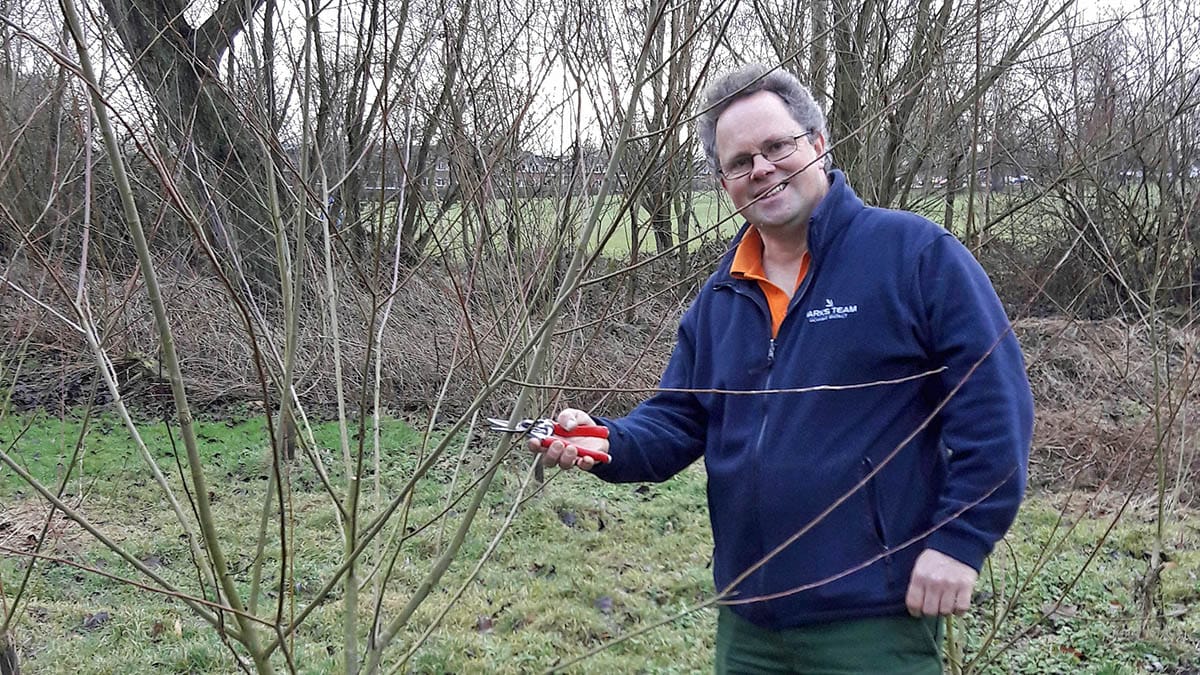
“I was always keen to get a Johnson’s Willow to America as this would give a living piece of old England to places of culture and learning with connections to Johnson, and further promote Lichfield on the world stage.
“I first approached the US Department of Agriculture regarding the importation of willow into the USA. The Plant Germplasm Quarantine Program, based in Maryland, used the permit they have and offered to import the cuttings and quarantine them for the two-year period required to ensure no diseases enter the country.”
Paul Niven
John Winterton, from the Johnson Society, explained that the tree – a Bedford willow – became known internationally because of its large stature and connection to Johnson.
In 1785 Lichfield surgeon, apothecary and antiquary Richard Greene published an article about it in The Gentleman’s Magazine.
Mr Winterton said:
“If after two years the cuttings are fine and free from decay they will go to Vassar College in New York State and be grown on into saplings for planting in various locations.
“The aim is to plant one at the home of Elizabeth Graeme Fergusson in Graeme Park near Philadelphia. She expressed this desire in 1787, so after more than two centuries it would be wonderful to bring it to fruition.
“A site has already been chosen there for this purpose. I have been asked to give a speech at the planting ceremony, which, if all goes well, would be in around three years from now.”
John Winterton
Around two hundred cuttings were taken from the last Johnson’s Willow and raised in the community garden in Beacon Park.
Over a dozen have been sent to America, but some were also planted at the National Memorial Arboretum last March, while another is destined for Woburn Abbey.


