

The headteacher of a specialist Lichfield dyslexia school says he has seen a raft of enquiries due to a spike in parents spotting signs of the learning disorder while homeschooling during lockdown.
According to a 2019 report from the Dyslexia Association using Department for Education figures, an estimated 870,000 of 8.7 million pupils have dyslexia but fewer than 150,000 have been diagnosed.
Dr Daryl Brown, headmaster at the specialist Maple Hayes Dyslexia School, says he has seen a huge increase in contact from parents following the home learning period during the COVID-19 crisis.
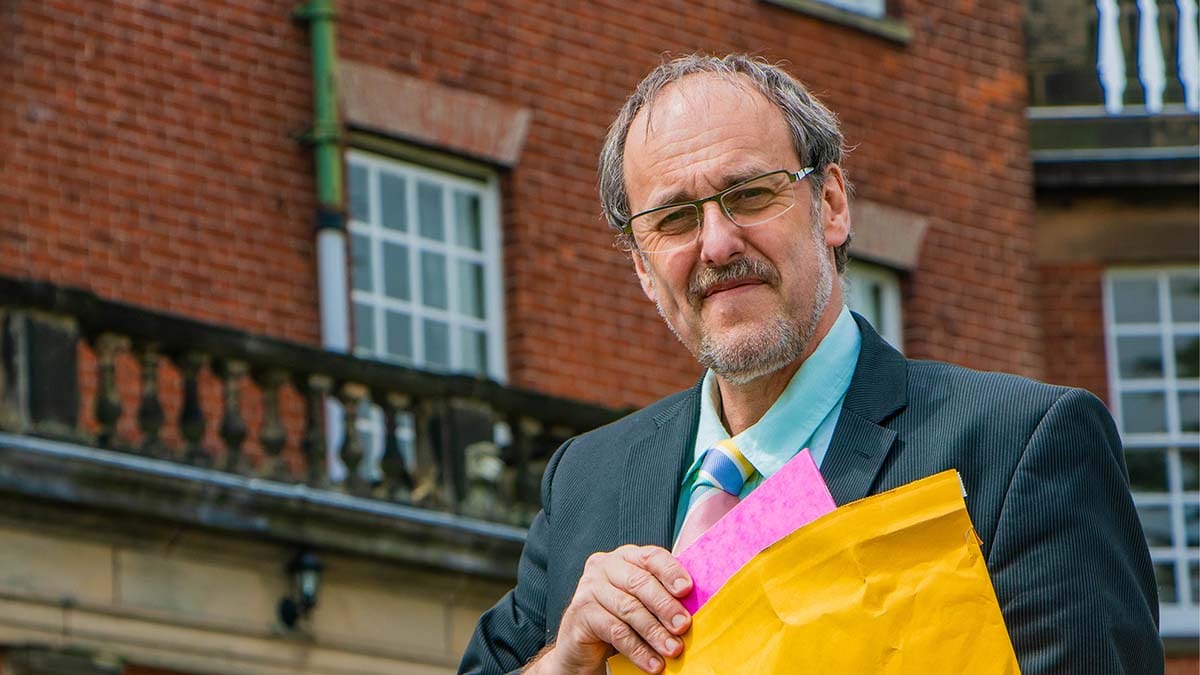
“Since the lockdown parents have become the front line educators for their children.
“They have been working on-to-one with their child on a daily basis and they are seeing the everyday struggles their child is having with their schoolwork – this has flagged up the need for specialist teaching to help to enable their dyslexic child to learn.
“Dyslexia is not always spotted in school at an early enough age to really prevent a child falling behind, so we encourage any parents who think their child may have dyslexia to look into what their next steps should be.
“The first port of call should be to speak to your child’s teacher, if you think your child may have dyslexia and is falling behind in their learning. Next would be to get an educational psychologist’s report to show exactly what difficulties your child is having.
“This report can be shared with the school to help work out the help your child needs.”
Dr Daryl Brown
Maple Hayes was founded in the 1980s by Dr Neville Brown and utilises a ‘morphological approach’ using icons to make a visual link between meaning and spelling instead of pupils being taught using phonics.
“Easy to spot traits of dyslexia include mostly incorrect spelling but with phonic guesses – spelling words as they sound, difficulty in learning letter sounds or slow and hesitant reading.
“If a child is regularly sounding out the start of a word but clearly guessing the rest, that could be a sign of dyslexia.
“They often don’t know letter names but use letter sounds as names because they are only able to cope with at a simple phonics level when they try and spell words.
“As a school, we are living proof that dyslexia doesn’t need to be seen as a barrier preventing your child from achieving high grades and going on to do whatever they want to do later on in life.”
Dr Daryl Brown


