

The leader of Lichfield District Council has spent a week on the Ukrainian border helping to transport those fleeing the war in Eastern Europe as they seek safety and sanctuary.
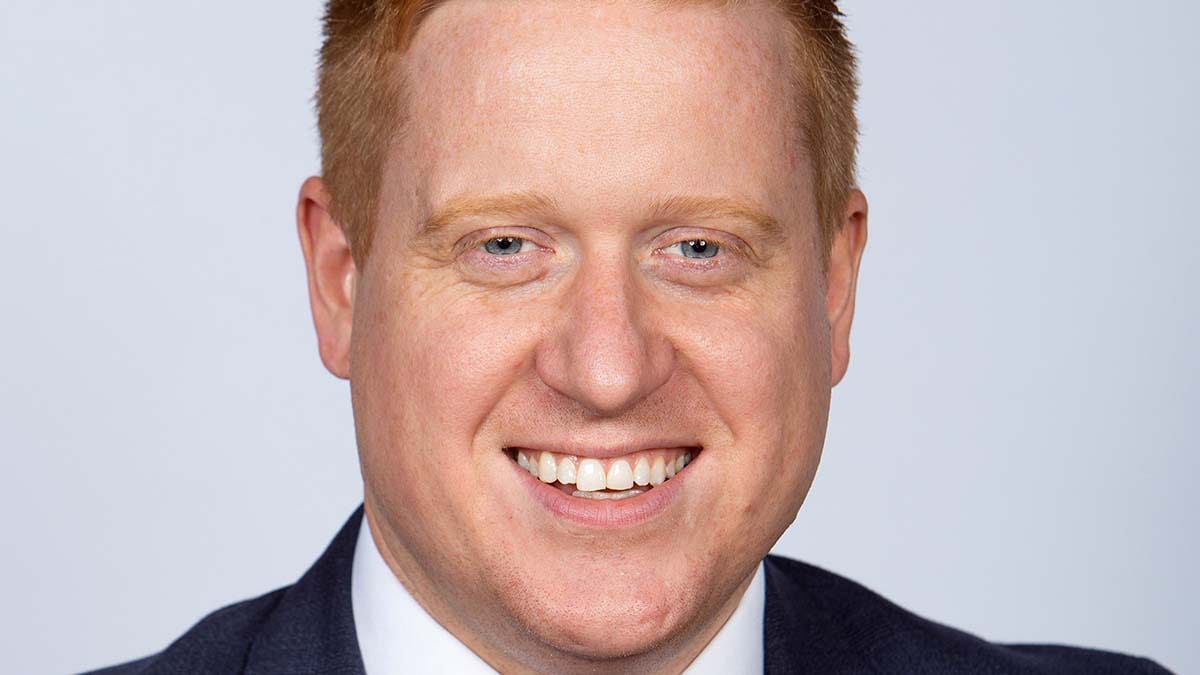
After making the decision to head for Poland, Cllr Doug Pullen soon surpassed his initial fundraising target to help support refugees as people donated online.
When he revealed he was making the journey, Cllr Pullen also agreed to keep a diary during his trip for Lichfield Live to highlight the challenges, the heartbreak and the efforts taking place to support the innocent victims of the war…
Day 1 – “Przepraszam, jestem Angielski“
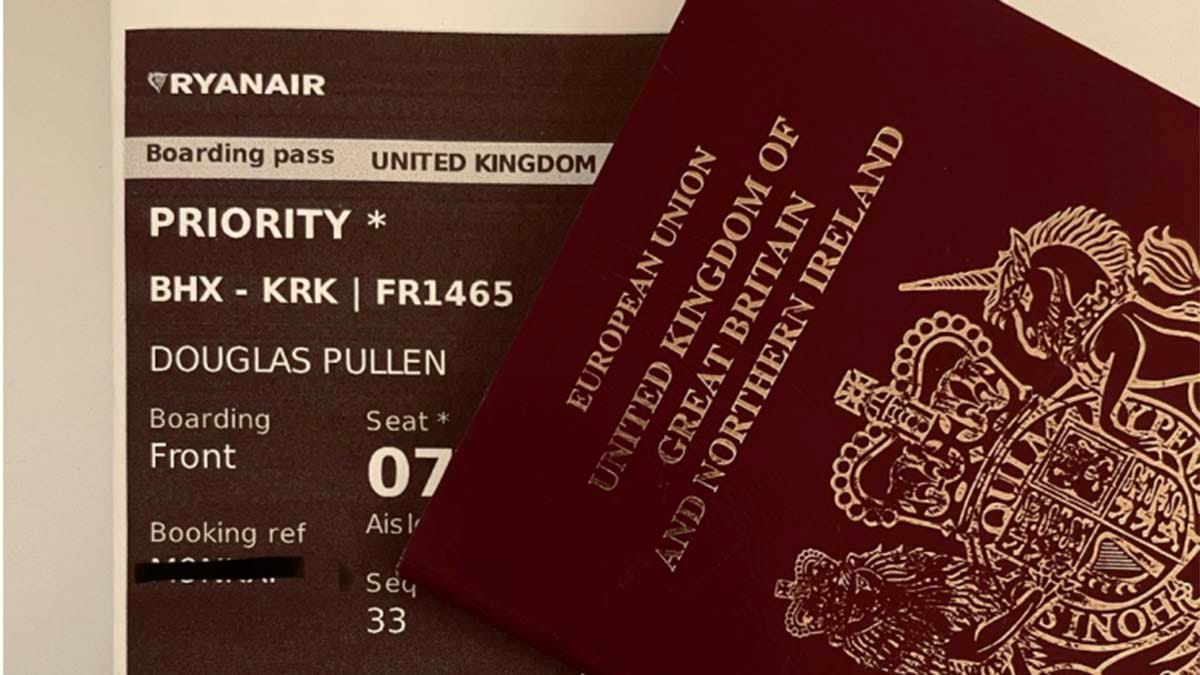
Feeling utterly sickened, yet helpless, watching the Russian invasion of Ukraine, I’d decided a couple of days beforehand to fly out to Poland, and had booked a cheap flight, car hire and a hotel – but I kept it quiet from everyone except my wife and kids.
I was nervous. I’d never been to Poland before, and was very unsure about what exactly I’d find there, and even if I could be of any help.
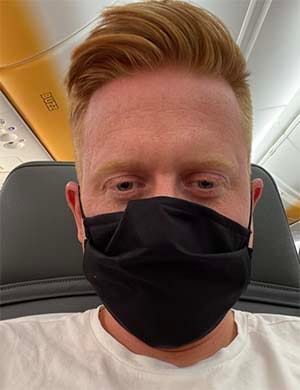
The decision to share the fact I was making the trip came when I posted a photo on Twitter as I sat on the plane. I immediately put my phone on airplane mode, and tried to get some sleep. I didn’t switch it on until two-and-a-half hours later when I arrived at Krakow Airport. I was blown away after seeing the generosity of people – I felt hugely uplifted and enthused by it.
I headed straight for the rental centre and picked up the car I’d hired before making the drive to Rzsesow, where I’d be staying for two nights. An hour from the border town of Przemysl, this was the closest accommodation I could find.
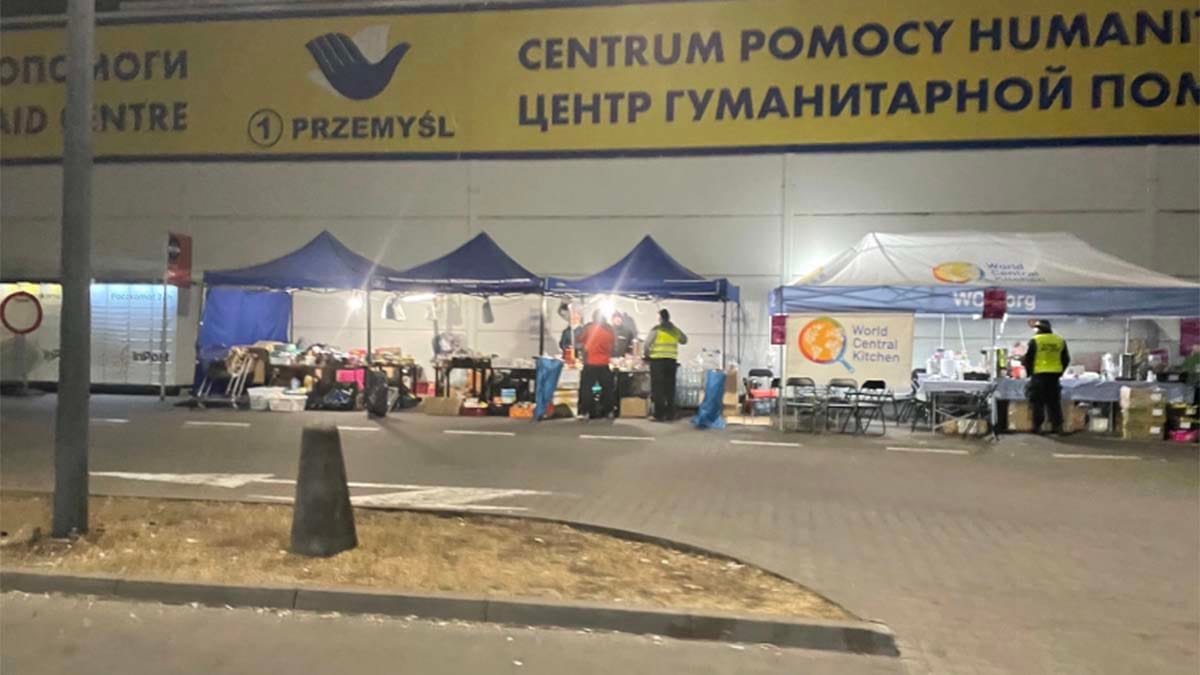
After dumping my bags, I then made the one hour drive to the main humanitarian aid camp. Nothing is formally organised and there’s a real mix of people. Public sector types such as firemen, police, ambulance drivers etc sit right next to organised charities such as World Central Kitchen, who in turn sit right next to volunteers sleeping in their campervans or warming up next to a metal bin burning wooden pallets.
I decided to ask around about registration and eventually found an unmarked tent manned by Aleks, a scout. They’ve cobbled together a hi-tech registration process using QR codes, SMS verification and passport scanning, which resulted in me being given a purple wristband. As I’d find out later, this wasn’t entirely adequate, and not recognised by the Polish police, but it did help to partly reassure some people I was genuine.
There was a 24 hour McDonald’s over the road, so I went an attempted to order a meal in Polish. I don’t speak Polish, but I do know how to say “Przepraszam, jestem Angielski”, which I would use incessantly over the next few days as I attempt to converse with local volunteers, shop assistants and waiters. Then it was a drive home for an hour, eventually hitting the pillow at 2am local time.
Day 2 – “I could see the exhaustion in their faces”
I couldn’t sleep. It could be the adrenaline or it could be the awful Polish hotel bedding system with two single duvets on a double bed. It got to the point where I was thinking so hard about sleeping that I couldn’t relax, so I got up at 6.30am and began getting ready. A few emails and thank you notes were sent before I noticed that the fundraising page had reached three times more than I’d initially hoped for. I really was overwhelmed by the support from back home.
Not for the last time on the trip, I attempted to get into the wrong side of the hire car. Eventually finding the correct door, it was on the road for a one hour drive to Przemysl train station. As I arrived at the station entrance, I was met by a police car with blue lights flashing, and a Polish policeman blocking my way. I attempted to explain why I was there, but he was having none of it and waved me away, so I eventually decided to park up on the road and walk into the station.
There were around 150 people gathered outside. Among them was Teanna, a US citizen living in Poland. She had Eng/Rus written on her hi-vis jacked, signalling the languages she can speak. I approached her, told her I was registered, showed my band and that I could take four people and their luggage anywhere in Poland.
One woman needed to get to Warsaw with her three children. She was nervous. She didn’t want to come with me. She would rather wait for a coach (which may or may not arrive until tomorrow). So eventually, Teanna found four people heading for Warsaw – Lydia, Julia, Margarita and Nikita.
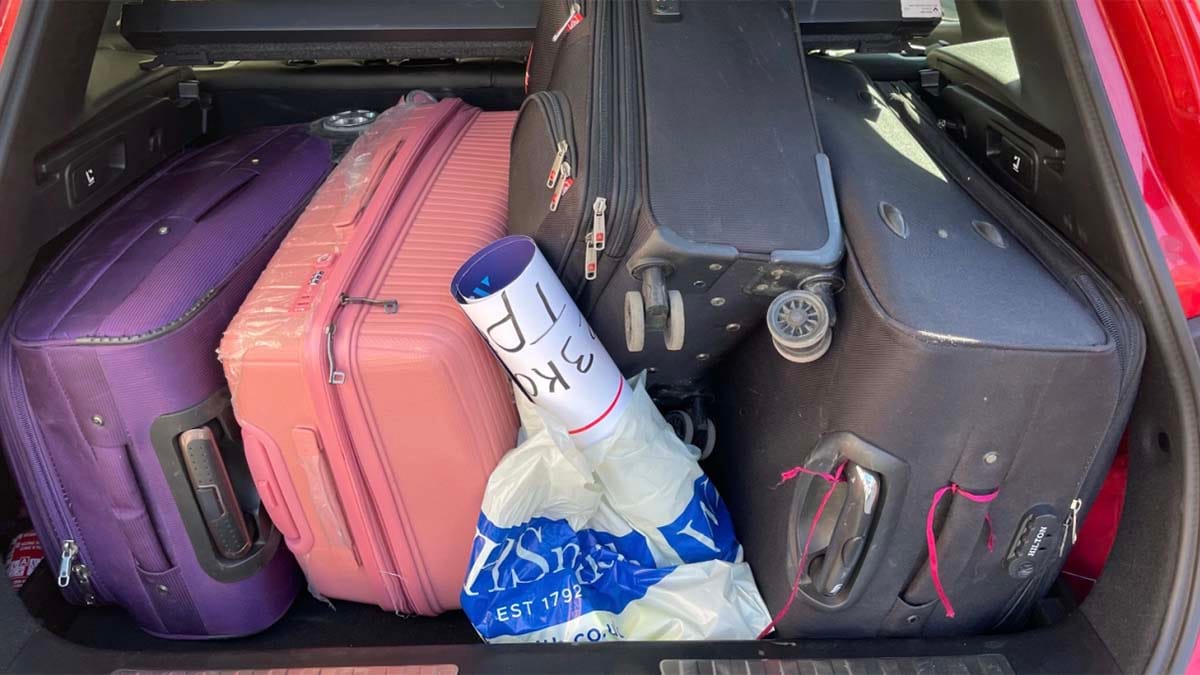
It was a four-and-a-half hour drive and I began to hear more about their plans. Lydia is going to take the train to stay with friends in Germany, while Julia and her children are going to stay with relatives until they work something else out. The conversation was slow – they were tired and I could see the exhaustion in their faces.
On the road from the border town to Warsaw it becomes clear we are on the
edge of a war zone. There’s a Hercules-type transporter plane overhead, before a transporter loaded with UN jeeps passes us in one direction and a convoy of tanks travels on the opposite side of the road.
Julia was having an animated conversation in the back of the car. Lydia, sitting in the front, and speaking excellent English, translated for me. She’s having a conversation with a friend who is angry at Julia, asking her “how dare you leave your husband…you are splitting your family up, you should have stayed here in Ukraine”. Julia began crying and it went very quiet in the car.
The decision to flee Ukraine, I soon found out, is not one anyone takes easily. Many people have had their bags packed for weeks, but are in two minds about leaving or staying. It is absolutely heart-wrenching stuff.
Lydia has already been displaced from the Donbas in 2014. She’s just as scared of the Ukranian army as she is the Russian army, after their school bus was caught in cross-fire when she was a teenager.
We stopped off at motorway service station where there’s a huge camp set up with free food, clothing and SIM cards. The generosity of the Polish is amazing to see. After going to get a drink from the petrol station I returned to learn of an argument between the women in my car and a family they met from Lviv. The women in my car speak Russian, so the family from Lviv are berating them for speaking the “language of the occupiers” and insist they should be speaking in Ukrainian. The divisiveness that war causes has been played out in a microcosm in a small car journey and it broke my heart.
Warsaw Central Train Station was very busy with cars parked haphazardly. I joined them, parked up and helped Lydia into the station. The goodbye was full of selfies and hugs, before heading off to drop off Julia and her kids at a residential area. There were more selfies and hugs and an attempt to push money into my hand, before beginning to cry when I refused. In the end, I accepted a bar of Ukrainian chocolate.
Having said my farewells there was no sense of personal relief or achievement, just an emptiness and a worry about when these two families will be able to return home.
Day 3 – “Guilty and embarrassed”
Another early start as I was wide awake at 6am and headed out to Przemysl station. After ten minutes of asking around, I met Nik, his wife Natasha and their two neighbours, Yelen and Oksana. They are all well into their late 60s and there is no mutual language, so plenty of hand gestures and Google translate was the only answer.
But just as I walked towards the train station doors, four policemen blocked my way. Thankfully, a translator arrived. Apparently they wanted to do some checks, as there has been reports of people trafficking at the border. I was grateful that they were doing a good job – and spent 45 minutes with them as they checked passport details, my car registration and my registration at Przemysl. Eventually it was all cleared and good to go – but not before Sky news caught me being quizzed by the police in the background of a news report though!
Nik looks like a hard version of De Niro and knows a little English. He barks “Football? Whiskey? Music?” at me, but we were unable to have a proper conversation. Eventually we found some music he likes on Spotify (Chris Speeris, anyone?) and we settled down for the ride to Warsaw.
My parking was worse than yesterday but I managed to unload the luggage. I got my phone ready to take a selfie with everyone, but Natasha had already walked off. Nik abruptly shook my hand and walked off, while Yelen and Oksana walked away in a different direction. The triteness of me wanting a selfie, as these four elderly people flee a war zone, made me feel guilty and embarrassed.
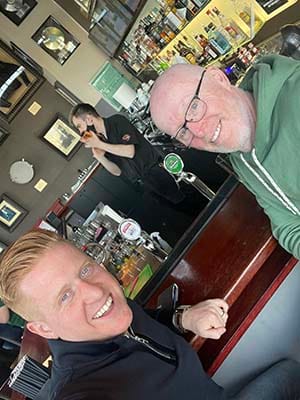
After going for some food I noticed that a fellow Brit, Rob Haggas, was also in Krakow so messaged him and arranged to meet. It was great to have a free flowing conversation for the first time in 48 hours.
After speaking to Rob, I called my wife and we made the decision together that I should stay for a while longer. Within an hour, a hotel was booked for a further three nights, Europcar extended the car hire and I managed to change the flight.
And then it was back on the road ready to go again tomorrow.
Day 4 – “Dianna tells me she loves and misses her Dad”
Another early start, but this time it was off to the supermarket to stock up on supplies from a list that the Scouts gave me yesterday at the station. An hour later, I arrived at Przemysl station with a big smile on my face and a car full of supplies, confident that I was bringing only what they needed…
But no, I was turned away by Gzregorz, who is running makeshift warehouse. “We have this already,” he tells me. Not to worry – a Scout makes a quick call to the humanitarian aid centre and they said they needed it instead. Nial, a construction worker from Ireland, loaded it into his Sprinter van along with other stuff and headed down to the centre where I registered on the first night.
It was a bit quieter in the station this morning and I couldn’t find anyone who needed help. But then suddenly, a volunteer approached and told me about Olga, Aleks, Dianna and Anna – and Lui the dog!
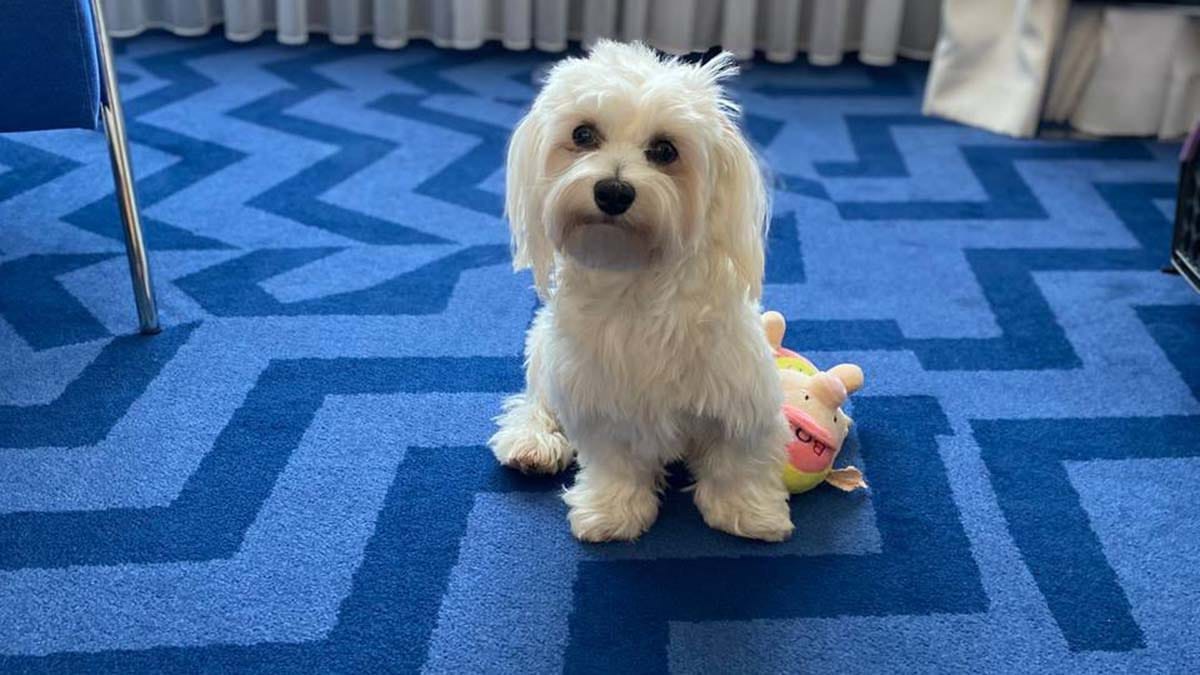
Olga is a vet. Along with Aleks, her 14-year-old son, they are going to stay temporarily with friends in Warsaw. Dianna and Anna are mother and daughter, attempting to get to friends in Spain.
We made small talk in the car but it felt weird trying to keep the conversation light-hearted when they have left their family behind in a war zone.
Dianna tells me she loves and misses her Dad.
Day 5 – “Natasha invites me to Lviv when they return to Ukraine”
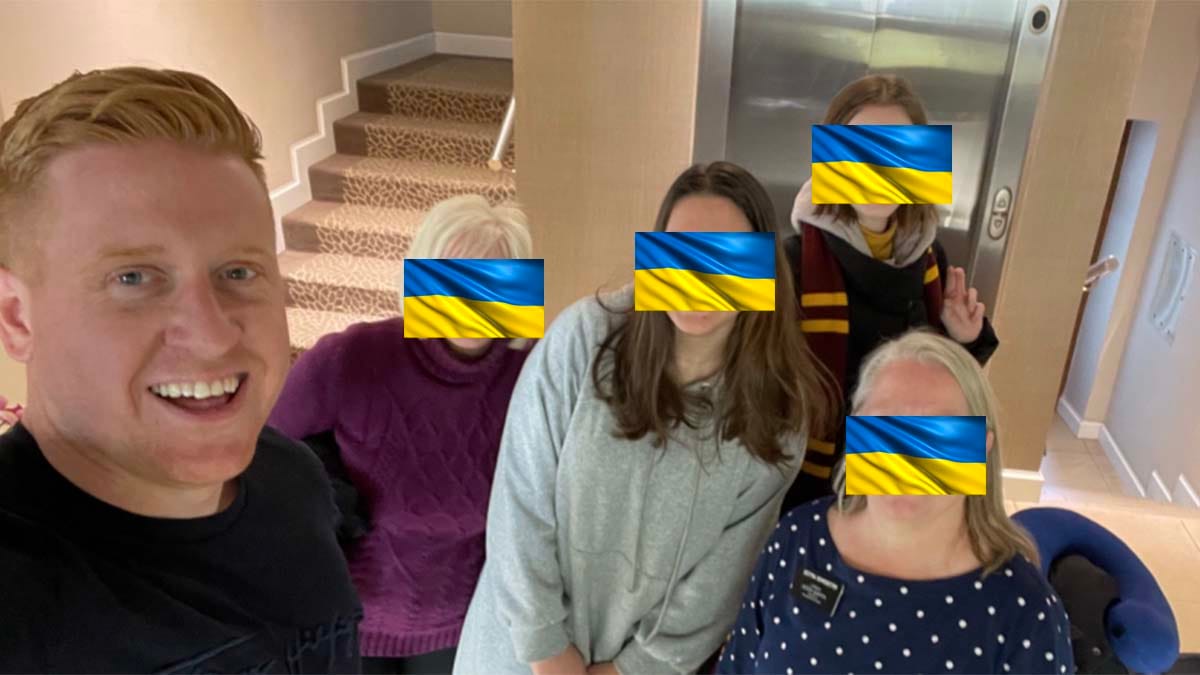
It was a quiet day. The station was empty because there was a problem with the tracks, so the train from Kyiv has been delayed. There was more order at the station and it felt more efficient.
All of a sudden, a plan fell into place. I saw a tweet about a mother and daughter who need a lift, so I confirmed I could do the drive later in the day. In the meantime, I picked up Anastacia, Sasha and Tatiana, as well as their dog Milana. We headed for Krakow where their church has a supply building.
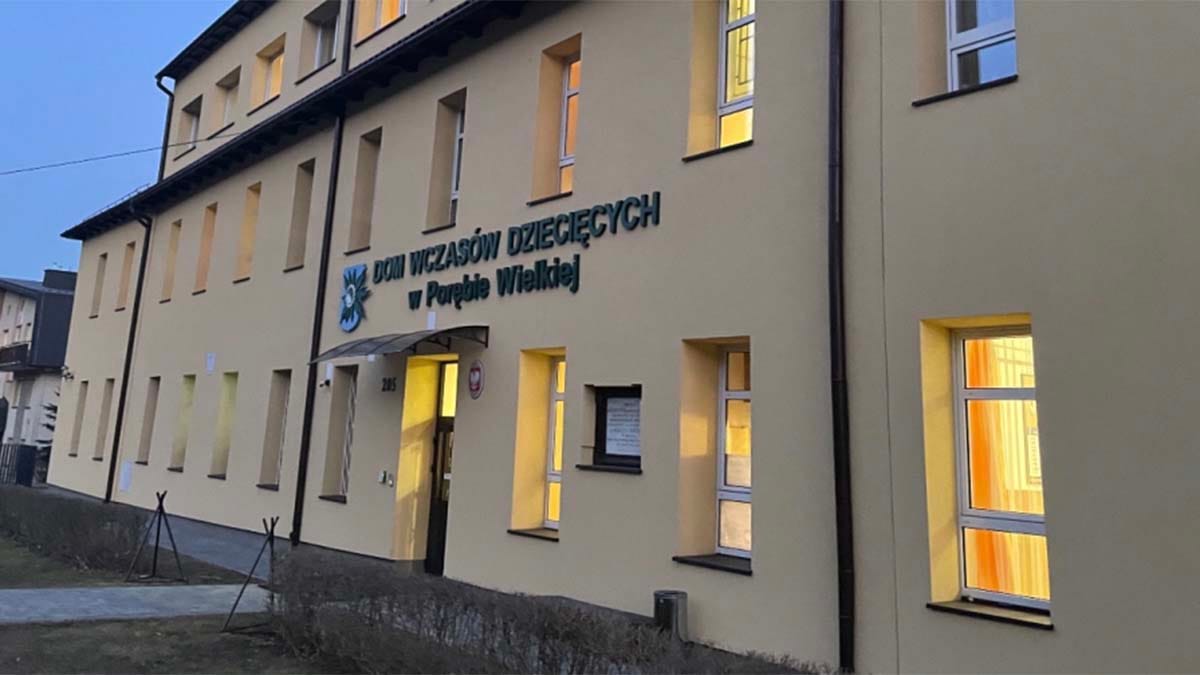
As I was leaving, a volunteer asked about supplies so I told her to send me a list and I’d arrange it. When the list came it is a long one totalling around £1,000. It’s for an orphanage with 130 kids, all displaced from Ukraine.
After delivering the supplies, it’s a two-and-a-half hour drive to Rzeszow to pick up Yuliya and her mum, Natasha. Their visa has been approved so the trip is to get them to a hotel at Krakow Airport. I left 100 zloty for a taxi that’s already been booked. Natasha says she will pray for me and invites me to Lviv when they return to Ukraine.
Day 6 – “Shattered – emotionally and physically”
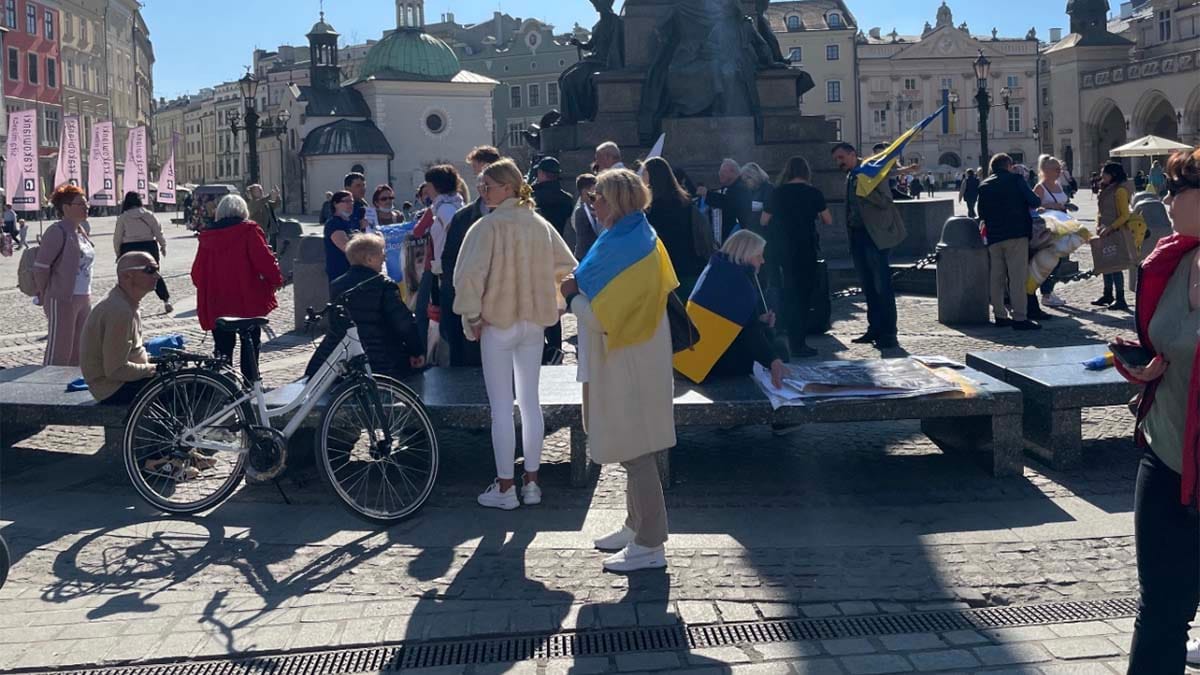
My final day in Poland. It’s a hot one, but I’m shattered – emotionally and physically. At the train station there’s a huge soup kitchen and camping beds, perhaps 200 in total. Hundreds of people are eating food while a long queue is forming for clothes.
I found Janek and Dorota who needed supplies. Alongside another volunteer we spent £400 on cereals, juices, baby wipes, sanitary products, toothpaste etc. Dorota organised us and we toured four places locally that needed supplies.
I saw two young boys aged perhaps eight or ten looking longingly at our trolley. I tried asking them what they wanted, but in the end I handed one of them my phone and watched as he swiftly found Google translate and typed in ‘dok’ – they wanted juice.
After handing them over, seeing their happiness was tinged with both joy and sadness.
Back home
After returning home, Cllr Pullen told Lichfield Live the faces of those he had met and the emotions he had experienced would stay with him forever.
“Over just a few days in Poland, my thoughts and emotions oscillated across a full spectrum. Flying out to Krakow I was unsure as to how, or even if, I would be of assistance.
“While on the border, I was touched by so, so may stories of despair, hope, fear and stoicism – and overwhelmed by seeing so much human decency emerge in the face of this evil invasion.
“Returning home and hugging my children, I was overcome with gratitude for living in a country that, while it has faults, is free and democratic.
“It’s easy for the individual to get forgotten when such large numbers of refugees are discussed. The UN estimates there are 10 million people so far, but I know there are 17 Ukranian refugees whose faces will remain with me forever.”
Cllr Doug Pullen
Cllr Pullen is continuing to fundraise to help support some of the organisations he worked alongside during his visit to Poland. People can donate via his online page.


