
A Lichfield councillor says missing a number of council meetings was not simply a case of him “just not turning up”.
Cllr Alan White made his comments after defending his attendance record at Lichfield District Council.
Figures showed he had attended just 55% of meetings between May 2016 and March 2017.
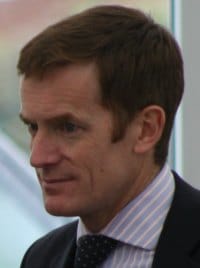
But Cllr White insisted his absences had not been as a result of “just not turning up”.
“I am also a county councillor and hold the portfolio for health, care and wellbeing,” he said.
“This past year has been particularly busy – around £15million we expected to receive from the NHS for the Better Care Fund was not delivered, resulting in some additional work and changes to services that we provide, and the creation of the sustainability and transformation plan resulted in many meetings about the future of health and social care in Staffordshire.
“I also have work commitments and family commitments, but because Lichfield District Council meets in the evenings, I am usually able to avoid clashes.
“I missed three full council meetings during the reporting period. On May 17, 2016, I had been summoned to the Department of Health and the Department of Local Government in London for a meeting to find a way forward for the Better Care Fund impasse. On July 12, 2016, I was with colleagues explaining the future of Health and Social care at meeting at Keele University. On February 21, 2017, I was meeting with the Chairs of the Staffordshire and Stoke on Trent health care system to build relationships as part of the sustainability and transformation plan.
“I missed two scrutiny committee meetings during the reporting period. For one I was presenting a business innovation award at the Worcester Arena, and for the other I was attending a board meeting at work.
“I hope this gives some context and illustrates it was more than ‘he just didn’t show up’.”
Despite his county council work preventing attendance at some district council meetings, Cllr White – who faces losing a month’s worth of allowances due to having been at less than 75% of sessions – believes having a foot in both camps is a good thing for residents.
“I do think it is important to have strong connections between both councils,” he said. “Many people I speak to don’t recognise the distinction between the two, and tend to simply refer to ‘the council’.
“In areas and at times where there haven’t been strong relationships between the two tiers, understanding and trust often breaks down to the detriment of the citizens we represent.
“I do believe that in a representative democracy we need people from all walks of life with many different backgrounds and interests – that gives us a chance of making better decisions.”


